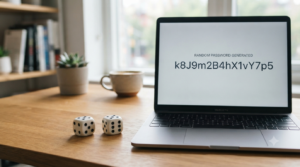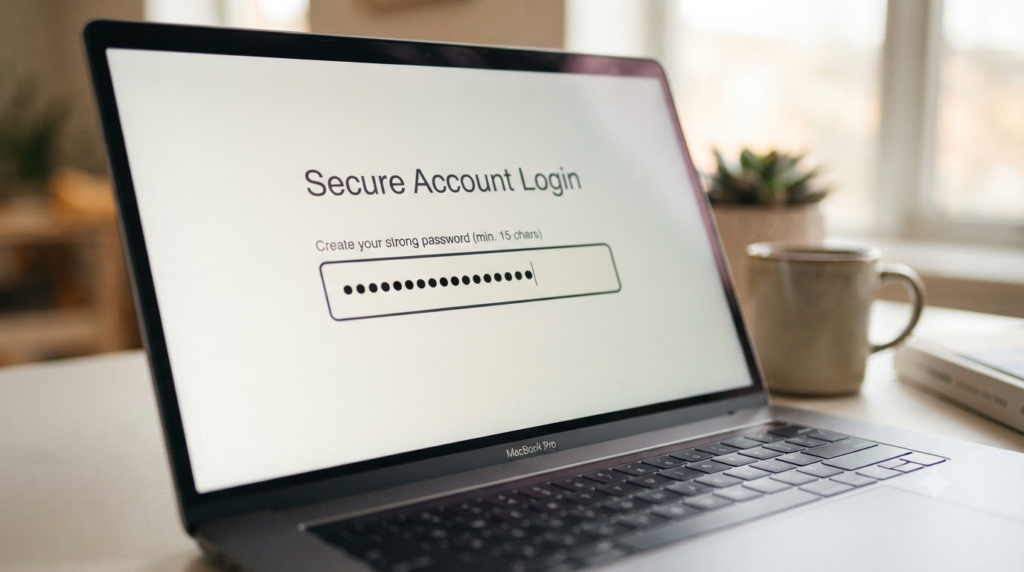
A password generator 15 characters long produces a result that clears a specific historical threshold most people have never heard of. It also carries the general strength benefits any long password provides. Fifteen characters became a notable number for a real technical reason tied to old Windows password storage. It was not chosen just because it sounds like a safe round figure. This guide covers where that number came from and whether it still matters today. It also covers what 15 characters actually buys you on modern systems.
You will find the real history behind this specific length and a comparison against 14 characters. There is also honest guidance on when this length is worth the extra effort.
Why 15 Characters Specifically Became a Notable Number
Older Windows systems stored a legacy password hash called the LM hash alongside more modern hashing methods. That legacy format could only handle passwords up to 14 characters. This was because it split the password into two smaller pieces during storage. Once a password reached 15 characters or more, Windows could no longer generate a usable LM hash at all. This gap became the entire reason the number stuck in so many security guidelines afterward, quoted without much further explanation. It stuck around long past the point when the underlying weakness was actually fixed.
This mattered because the LM hash was notably weak compared to modern hashing methods. It made a common target for attackers with access to a stolen password database. A password generator 15 characters long sidestepped this weak storage format entirely, simply because the older system had no way to represent it. That accidental side effect turned into deliberate, widely repeated advice almost overnight across the industry.
14 vs 15 Characters: Why the Extra One Matters More Than It Seems
On systems still relying on that older hashing behavior, the jump from 14 to 15 characters was not just one more character added on top. It was the difference between a password stored using a truly weak, breakable method and one that forced the system to rely on something meaningfully stronger instead. That single extra character carried far more practical weight in real deployments. Its modest size never quite suggests that on its own.
This specific threshold explains why 15 shows up so often in older security guidance and internal company policies. These were written across many different industries and sectors over the years. This is true even for policies written well after the LM hash was already considered outdated. The number stuck around long after most people forgot the specific reason behind it, repeated simply because it had always been the accepted rule. Few people bothered questioning a number that had worked fine for years.
Does This Still Matter on Modern Systems
Modern versions of Windows disable LM hash storage by default entirely, so this specific concern no longer applies the way it once truly did years ago. Anyone using a reasonably current, up to date operating system is not depending on 15 characters to sidestep this particular weakness anymore at all. The old rule survives mostly out of habit rather than technical necessity. It gets repeated in policy documents that were never properly updated to reflect the actual change that happened years ago.
The broader lesson still holds even though the original technical reason has faded. Length continues to matter more than almost any other single factor in password strength. This holds true regardless of which specific hashing method a system happens to use today. That part of the advice aged far better than the specific number that happened to get attached to it originally. This is worth remembering the next time someone repeats an old rule without knowing why.
What 15 Characters Actually Buys You Today
Setting aside the historical reason entirely, 15 characters still lands in a truly strong range for any fully random password generated today. It sits comfortably past the point where basic guessing becomes impractical. At the same time, it stays just short of the 16 character mark often recommended for especially sensitive accounts. Choosing this length rarely feels like a real compromise once you understand where it actually sits. It sits relative to the other common alternatives available today on the wider market, each with its own tradeoffs and use cases.
This makes 15 characters a reasonable, practical middle ground for accounts that deserve more attention than a bare minimum password would provide. It does not necessarily need the absolute maximum length a generator allows either. Email, work logins, and financial accounts all fit this description well, since a breach on any one tends to ripple outward into other, unrelated accounts too.
Common Mistakes at This Length
These mistakes tend to appear once people learn the history behind this specific number without also learning why it stopped mattering the same way over time. Each one quietly undoes at least part of the real, measurable benefit gained from choosing this specific length in the first place. That benefit is what the length itself was originally supposed to provide in the first place.
- Assuming 15 characters carries special protection on modern systems, when the original historical reason no longer applies to current software.
- Padding a shorter, memorable password with extra filler characters just to reach 15, rather than generating something fully random right from the start.
- Treating 14 and 15 characters as functionally identical today, when the meaningful difference was tied to a specific legacy system now largely retired.
- Reusing a 15 character password across multiple separate accounts, which undermines the entire length advantage the number was supposed to provide.
Does This History Apply Outside of Windows
The LM hash weakness was specific to Windows systems alone. This exact historical reason never applied to Mac, Linux, or most web based services running elsewhere at all. None of them relied on that same legacy hashing format in the first place. Each one built its own separate approach to password storage entirely on its own. Instead, those systems used entirely different storage methods from the very start. The same 14 character cutoff never shaped their own separate guidance at all, since it was purely a Windows specific implementation detail.
Because of that, anyone applying this specific history to a non Windows system is working from a technical reason that never actually existed there. This holds true even historically speaking about older systems. The general advice to use a long, random password still holds everywhere, just without this particular backstory attached to it. Knowing this distinction helps you separate real technical reasoning from advice repeated purely out of tradition.
Frequently Asked Questions
Why do so many old password policies specifically require 15 characters?
This traces back to a legacy Windows hashing method that could only handle up to 14 characters. Fifteen characters forced the system to rely on a stronger method instead, even though this reasoning rarely appears in modern policy documents.
Does 15 characters still avoid a weak hash on modern systems?
Not in the same way, since current systems disable the outdated hash format by default. The original reason for choosing this length has largely faded, though the length itself remains a solid choice.
Is 14 characters meaningfully weaker than 15 today?
Not for the historical reason discussed here, since that specific weakness no longer applies on modern systems. Length still matters generally, but the one character jump from 14 to 15 carries little special significance now.
Should I use 15 characters or go straight to 16?
Either works well for a fully random password on a sensitive account. According to the NIST digital identity guidelines, length matters more than hitting any single specific number exactly.
Is a 15 character passphrase as strong as a 15 character random string?
It depends on how many words make up the passphrase and how randomly they were selected. A passphrase generator that produces real randomness holds up just as well as a character based one of similar length.
What accounts make the most sense for a 15 character password?
Email, banking, and work accounts all benefit from this length, since a breach on any of them tends to cascade into other problems. Lower stakes accounts can reasonably use a shorter length instead.
Choose the Length, Not the Legend
Fifteen characters carries a truly interesting history, but the reason it mattered originally has little bearing on how you should choose a password length today. Use this length because it is strong. This holds true regardless of any old Windows quirk most systems no longer share. The story is worth knowing. The decision should rest on the strength itself, not the trivia behind the number, however memorable that trivia happens to be.
Try this password generator now and set the length to 15 or higher for your most sensitive accounts. For a look at the next tier up, see The Real Reason 16 Characters Comes Up So Often Today. If 15 feels like more than you need, Is a 12 Character Password Actually Long Enough Today covers a shorter, everyday option instead. It still holds up perfectly well for most ordinary accounts you happen to use every single day.